What Is a Virtual Data Room and What Is It Used For?
A virtual data room (VDR) is a secure, permission-controlled online environment used to store, organize, and share sensitive documents during a business transaction. It replaces physical document rooms and general-purpose file-sharing tools with granular access controls, activity logging, and disclosure safeguards built directly into the platform.
The role of the VDR is also evolving. Modern data rooms increasingly combine security, governance, auditability, and AI-assisted intelligence, allowing authorized users not only to control transaction information but also to search, understand, translate, summarize, and analyze it.
The result is a shift from the VDR as a secure document repository toward a governed, intelligent transaction environment.

What Is a Virtual Data Room Used For?
A VDR's core job is controlling who sees what, when they see it, and maintaining a reliable record of what happened.
In M&A, a data room holds the materials a seller discloses to prospective buyers across diligence, from the teaser and confidential information memorandum through financial models, corporate documents, and legal contracts. Access can be staged to match how far a given buyer has progressed.
In fundraising, a VDR gives prospective investors controlled access to financials, cap table detail, legal documents, and other materials without exposing that information to parties that have not cleared the relevant screening or confidentiality requirements.
In private credit, a data room supports the initial underwriting process and can also provide a controlled environment for ongoing financial statements, reporting, and covenant-related submissions after a facility closes.
In real estate and other asset transactions, a data room can hold technical due diligence, environmental reviews, title documentation, valuations, financial information, and other materials across a single acquisition or a multi-asset portfolio process.
The common thread across these use cases is the same:
Multiple parties need access to sensitive information, that access needs to change as the process progresses, and the organization needs a reliable record of what was disclosed and when.
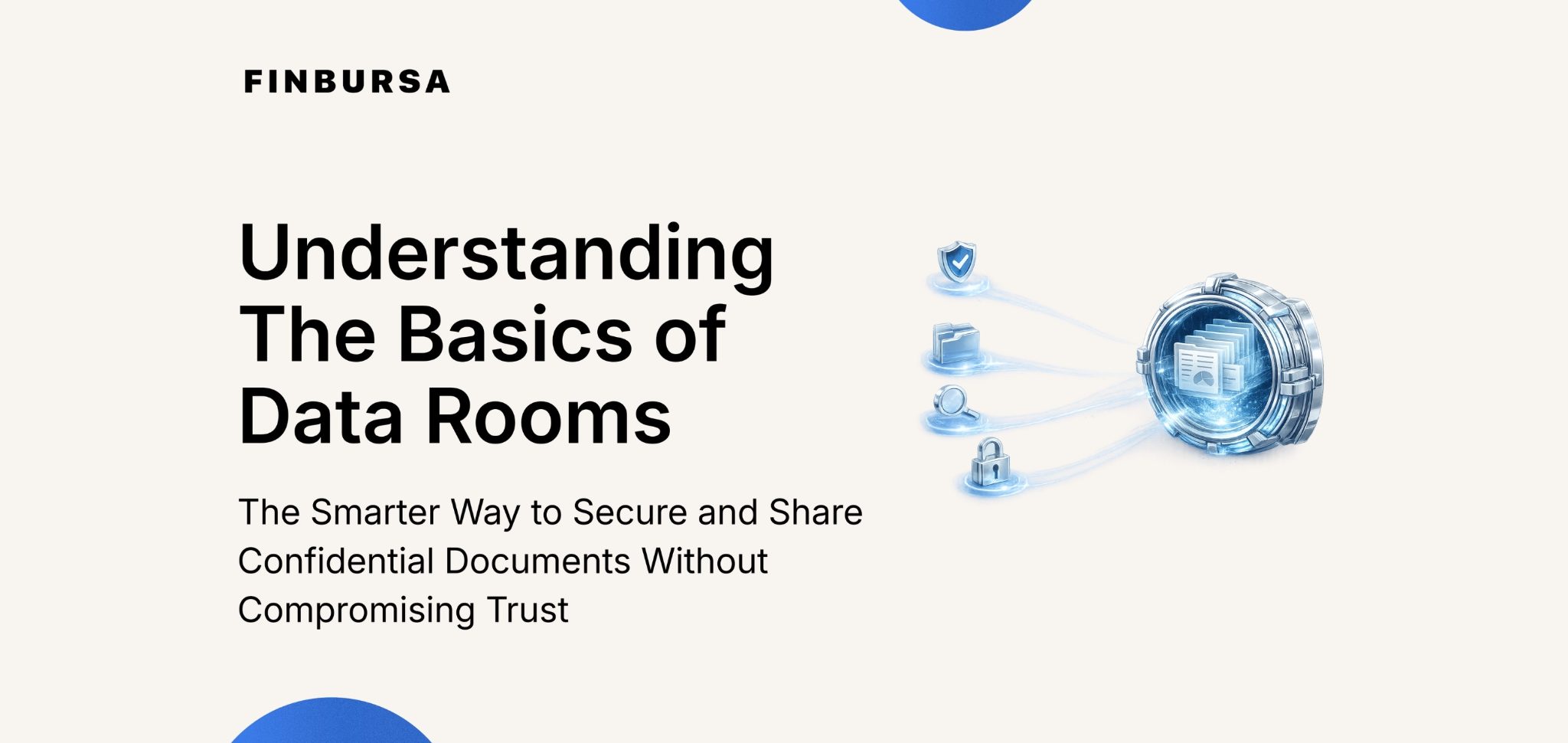
For a walkthrough of how a room is typically structured and populated, see Understanding the Basics of Data Rooms.
Virtual Data Room vs. Shared Drive vs. Email
A shared drive or an email attachment can move a document from one party to another, but neither was designed around the governance requirements of a transaction.
A transaction eventually raises questions such as:
- Who currently has access?
- Which documents has a buyer or investor seen?
- When was a particular document made available?
- Who downloaded it?
- Which version was disclosed?
- Can access be revoked?
- What happened after a counterparty left the process?
A shared drive may provide basic permissions, but staging disclosure across multiple counterparties can become difficult to manage consistently. Email creates an even weaker control environment: once a document is sent, it cannot reliably be recalled, forwarded copies can circulate outside the original process, and the definitive history of disclosure becomes difficult to reconstruct.
A VDR is purpose-built for this environment.
Access can be granted and revoked for individual users or groups. Documents can be released progressively. Sensitive files can be watermarked. Activity can be recorded in an audit trail. And when a counterparty leaves the process, their access can be removed without relying on an email chain or manually tracking every copy that was distributed.
That's why a data room, rather than a shared drive or an inbox, has become the standard infrastructure for many transaction processes, particularly in M&A advisory processes, where multiple potential buyers may be reviewing the same opportunity under different disclosure conditions.
What a Modern Virtual Data Room Should Include
Not every online repository marketed as a "data room" provides the same level of transaction control.
A modern VDR has three fundamental responsibilities:
Protect the information. Govern access and activity. Help authorized users work with the information.
Security and Disclosure Control
- NDA enforcement. Access to sensitive material can be gated behind a signed NDA rather than a link that anyone can open.
- Granular permissions. Access can be controlled by user, group, folder, document, or process stage.
- Watermarking. Documents can carry visible or embedded identifiers tied to the recipient, helping discourage uncontrolled redistribution.
- Staged access. Different document sets can become available at different points in a transaction.
- Instant revocation. Access can be withdrawn when a counterparty drops out or a process concludes.
Governance and Auditability
- A comprehensive audit trail. Relevant views, downloads, permission changes, and other activity are recorded, giving the deal team a reliable history of access and disclosure.
- Document and version history. Teams can establish which version of a document was available and when.
- Disclosure accountability. The system should make it possible to understand who had access to specific information and how that access changed throughout the process.
Governance matters because a transaction does not end with the question of whether a document was securely stored. The organization may later need to understand what was disclosed, to whom, under which permissions, and when.
AI-Assisted Information Management
The newest generation of VDRs is also adding AI capabilities that reduce the manual work involved in understanding transaction materials.
These can include:
- Natural-language search and Q&A. Users can ask questions across documents instead of searching through files individually.
- Document summarization and information extraction. AI can help users identify and condense relevant information from lengthy transaction materials.
- Diligence assistance. AI can help teams review large volumes of information and locate relevant passages more quickly.
- AI-assisted translation. Documents can be translated to help teams work across languages and accelerate review, particularly in cross-border transactions.
- Intelligent deal context. When a VDR is connected to broader deal information, AI can help users interpret documents in the context of the transaction rather than treating each file in isolation.
The important distinction is that AI should augment the team's ability to understand information without weakening the governance controls around that information.
How AI Is Changing the Virtual Data Room
A transaction can involve thousands or tens of thousands of pages across financial statements, contracts, corporate documents, property information, investment materials, and other diligence files.
Traditionally, extracting information from those materials meant opening documents individually, searching for terms, comparing versions, and asking colleagues to locate information that might already exist somewhere in the room.
AI changes that interaction. Users can increasingly ask questions in natural language, summarize lengthy materials, extract relevant information, translate documents, and identify relevant content across a large body of transaction materials.
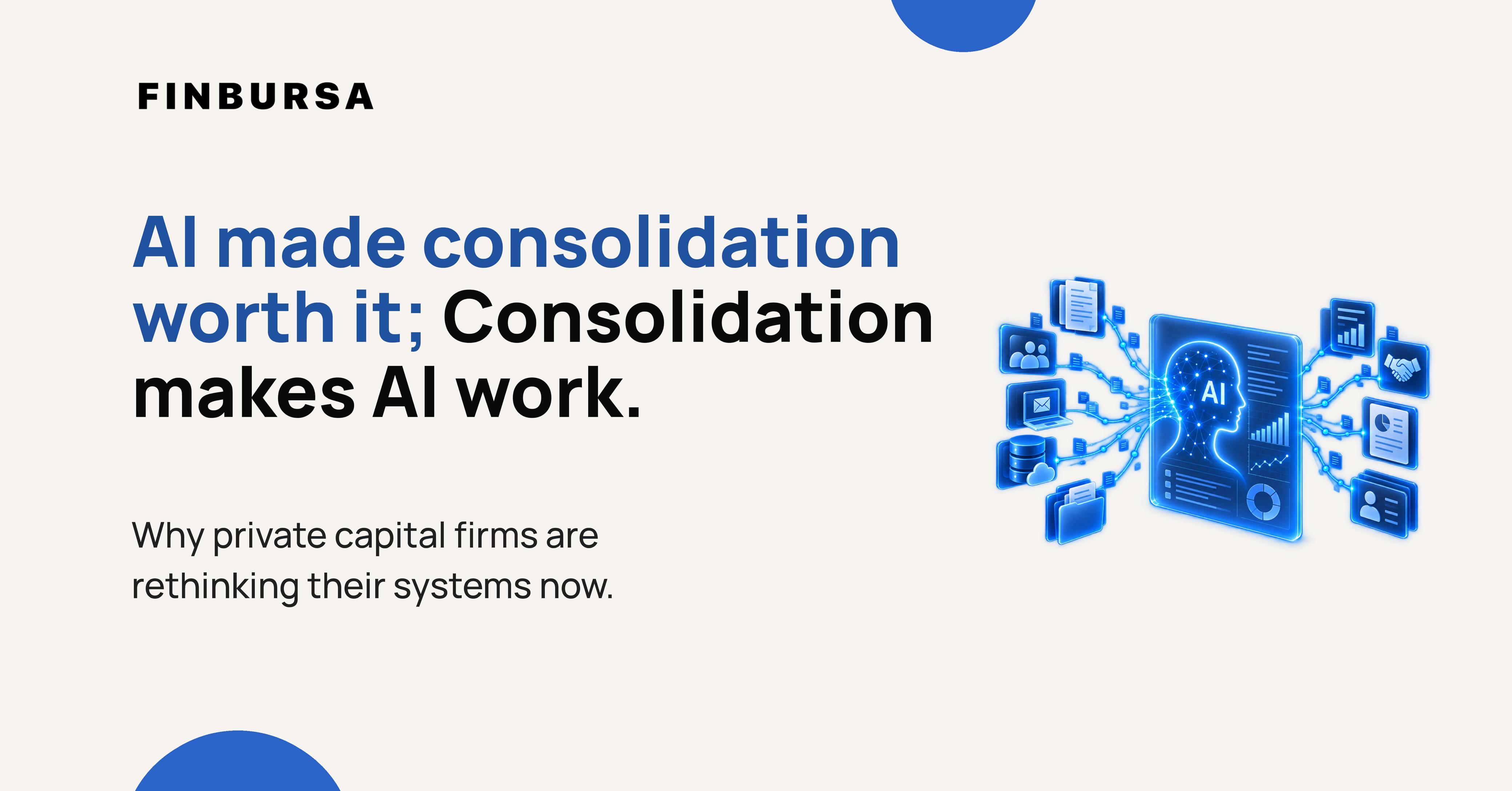
The VDR therefore becomes more than a place to store documents. It becomes an intelligent layer through which authorized users can interact with the information contained in the transaction.
But intelligence does not remove the need for control. The more capable AI becomes, the more important the underlying permission, governance, and audit framework becomes. AI should operate within the information boundaries established by the VDR, not around them.
A user who cannot access a document should not gain access to its contents simply by asking an AI assistant about it.
The result is a new model for transaction infrastructure:
Secure information. Governed access. Complete auditability. AI-assisted intelligence.
All working together in the same environment.
Governance Becomes More Important as AI Enters the Data Room
The traditional VDR audit trail answers questions such as: who accessed a document, who downloaded it, when it was made available, and who changed its permissions.
As AI becomes part of the transaction workflow, the governance question becomes broader. Organizations increasingly need to consider:
- What information can the AI access?
- Does the AI respect the user's existing permissions?
- Can sensitive information be used outside its authorized context?
- How is AI-generated information handled?
- What controls exist around the use of sensitive transaction data?
The more capable AI becomes, the more important it is that it operates within a controlled information environment. This is particularly relevant in M&A, private markets, fundraising, private credit, and other processes where documents may contain financial, legal, commercial, personal, or strategically sensitive information.
AI can accelerate information work. Governance determines whether that acceleration can be trusted.
The VDR Is Becoming Part of the Deal Workflow
Historically, the VDR often operated as a separate destination: documents went into the room, counterparties entered the room, and the deal team monitored activity inside it. But the information contained in a data room rarely exists in isolation.
A document belongs to a deal. A deal belongs to a company, fund, investor, buyer, seller, or other counterparty. A user's activity has meaning in the context of their relationship with that organization and their position in the transaction.
For example, an investor downloading a financial model is not simply a download event. It may be an investor reviewing an opportunity after signing an NDA, following a particular stage in a fundraising campaign, after reviewing other materials, and before a subsequent meeting.
The individual event is useful.
The context around the event is more useful.
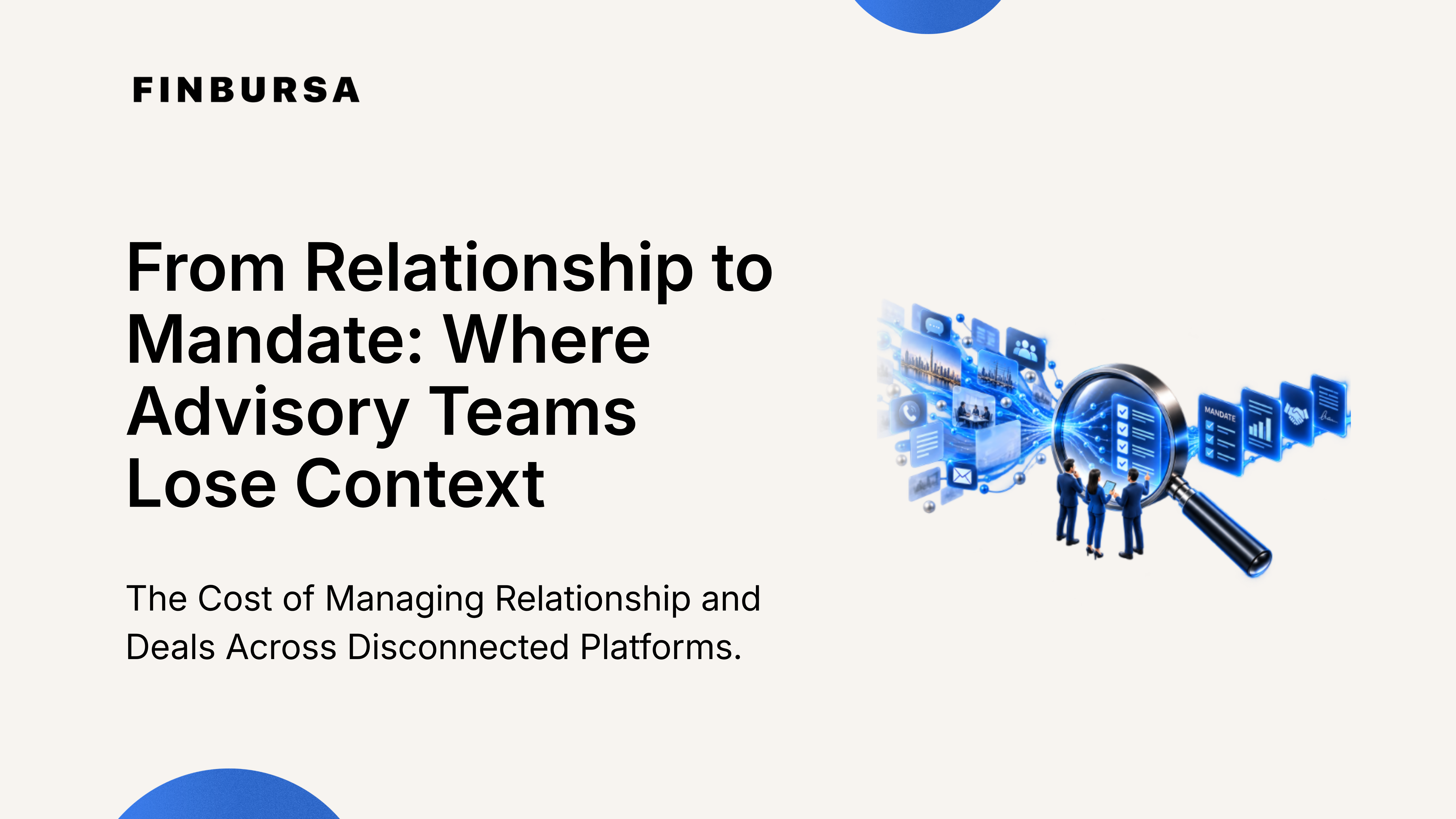
This is why connecting the VDR to CRM, deal management, fundraising, and other transaction workflows can create more value than operating the data room as an isolated document repository. The VDR becomes part of the broader information architecture of the deal.
The Per-Deal Pricing Problem
Many virtual data rooms are priced around individual transactions: a new setup, new users, storage requirements, or other costs each time a firm opens a room. For a firm running one transaction a year, that model may be straightforward. For a firm running five, eight, or fifteen transactions a year, the economics become different.
Each new transaction creates another room and another pricing event, even though the firm's underlying organization, users, and operating infrastructure have not fundamentally changed. This can create friction around how firms use their VDRs. Teams may delay opening a room, reuse rooms across processes that should remain separate, or wait until a transaction appears sufficiently advanced before incurring another procurement or setup cost.
The compounding cost and behavior it produces are covered in Why Your Best Year Is Making Your VDR Bill Worse.
The same issue can appear when a transaction takes longer than expected and the room needs to remain active. See Why Legacy VDRs Are Slowing Down Your Exit for more on that problem.
The FinBursa Approach
FinBursa combines a governed virtual data room with embedded AI and the broader infrastructure required to manage the deal lifecycle.
The VDR provides the controlled environment for transaction documents, permissions, disclosure, and audit trails.
FinBursa's AI works with the information available within that environment, helping authorized users search, understand, summarize, translate, and analyze transaction materials.
But the value goes beyond the documents themselves.
Because the VDR is connected to CRM, deal management, and fundraising workflows, transaction information does not have to remain isolated inside a standalone data room.
The AI can work with information in the context of the broader deal: the opportunity, the parties involved, the relevant deal information, the investment context, and the activity surrounding the process.
That means the VDR is no longer simply a place where documents are uploaded and counterparties are given access.
It becomes part of the operating environment in which the transaction is managed.
Today, FinBursa's AI helps authorized users understand and work with transaction information. As AI capabilities continue to evolve, increasingly sophisticated automation can be added without separating intelligence from the governance, permissions, and auditability of the underlying environment.
The direction is clear: the VDR is moving from a secure repository toward an intelligent, governed transaction environment.
FinBursa is that environment.
A VDR is no longer just a secure place to upload documents. It is becoming the controlled information layer of the transaction — combining security, governance, auditability, and AI-assisted intelligence. FinBursa is that environment.
FAQs
What is a virtual data room?
A virtual data room is a secure, permission-controlled online environment used to store, organize, and share sensitive documents during a business transaction. Modern VDRs also increasingly provide tools for searching, reviewing, analyzing, and understanding the information contained within the room.
What is a virtual data room used for?
Virtual data rooms are used across M&A diligence, fundraising, private credit underwriting and ongoing reporting, real estate transactions, and other processes where multiple parties need controlled and auditable access to sensitive information.
How is a virtual data room different from a shared drive or email?
A shared drive or email attachment can move a document, but neither is designed around the staged disclosure, granular permissions, revocation, governance, and auditability required in a transaction. A VDR is purpose-built to control and record access to sensitive information throughout the process.
What should a modern virtual data room include?
A modern VDR should provide strong access and disclosure controls, including permissions, NDA enforcement, watermarking, staged access, and revocation; governance capabilities such as audit trails and document history; and increasingly, AI-assisted capabilities for searching, summarizing, translating, extracting, and understanding transaction information.
Does AI replace the need for a virtual data room?
No. AI can make transaction information easier to search and understand, but it does not replace the need for permissions, disclosure controls, governance, and auditability. AI capabilities should operate within those controls rather than around them.
What is the role of AI in a virtual data room?
AI can help authorized users search, summarize, translate, extract, and analyze information across transaction documents. When connected to broader deal context, it can also help teams understand information in relation to the transaction rather than treating documents as isolated files.
Why does auditability matter in a data room?
Auditability provides a reliable record of access and disclosure activity. It helps deal teams understand who had access to information, what activity occurred, and how permissions or document availability changed during the process.